

The Importance of Ayurvedic Morning Routine
A friend asks, “What’s your secret? How are you so high-energy in the mornings?” I wish I had a fancier or more eloquent answer, but the truth is, there is no secret. I rely on Ayurvedic morning routine to boost my energy and elevate my productivity. There is so much importance of morning practices in setting the tone for the day.
The secret unleashed!
My power kick comes from the very ancient Ayurvedic concept of Dinacharya, which is a daily ritual of self-care. Dinacharya is the Sanskrit word for “daily routine” (‘din’ means day and ‘charya’ means to follow or close to). Dinacharya makes us understand the best time for our daily routines such as waking, exercise, bathing, meditation, prayers, meals, study, work, relaxation, and sound sleeping. It helps me determine what activities belong in my Ayurvedic daily routine, so my dosas are balanced, and I am healthy. In a nutshell, daily routine is a simple, yet profound way to bring radical change to one’s physical, emotional, and mental well-being.
Tick tock, here comes the Ayurvedic Clock
The Ayurvedic daily routine is designed to maintain and reconnect us to the natural circadian rhythms or the Ayurvedic Clock. Ayurveda has always emphasized connecting with nature. Notice how birds and animals know when to return home and rest versus when to look for food. By bringing us in tune with nature, Dinacharya regularizes our own biological clock and makes us more self-aware. Ayurvedic morning routine helps to define a set of practices that kickstart my day!
Keep The Ayurvedic Morning Routine Simple:
-
Waking Up Early (Brahma Muhurta)
The peace, the reflections, and the quietude are priceless at the start of the day. Get in some mindful movements and soak in the sun rays. If it’s cold where you live, layer up and get outside. Spend a few minutes walking outdoors and inhaling fresh air, thoughts, and perspectives. This can be very helpful to fight the stagnation and feeling of being stuck, especially in kapha season.
-
Tongue Scraping (Jihwa Prakshalana)
Tongue scraping, or jihva prakshalan, is a traditional part of Ayurvedic self-care practice that reduces stagnation, removes debris, eliminates ama, and cleans out the surface of the tongue. Tongue scraping also supports healthy digestion and gently stimulates your internal organs.
-
Oil Pulling (Gandusha or Kavala)
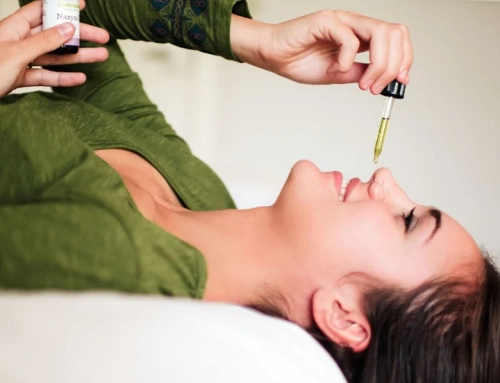
Ancient Ayurvedic book, “Caraka Samhita,” tells us that the swishing of oil in the mouth activates enzymes and draws out toxins from the blood. This process improves gut flora, which in turn, helps prevent tooth decay, alleviates bad breath, and strengthens tissues and gums. Oil pulling has been used extensively for years to prevent dental decay, halitosis, bleeding gums, and cracked lips.
-
Self-Massage (Abhyanga)
In Ayurveda, anointing oneself—from head to toe with warm oil—is called Abhyanga. This ancient practice of massaging yourself with warm oil from head to toe does wonders for lowering vata. During the colder months, Ayurveda would recommend using sesame oil and coconut oil for summers. Abhyanga calms the nervous system, lubricates joints, improves sleep, and improves circulation. Keeping a 20-minute gap between self-massage with warm oil and taking a warm is recommended.
-
Don’t ignore hydration and elimination
Instead of getting a cup of tea or coffee first thing in the morning, have a mug of warm water instead. Eventually, sip on warm water throughout the day. This kindles digestion and helps eliminate ama, or undigested materials that become toxins. Drinking warm water in the morning helps to flush toxins from the body, assists with bowel movements, and cleanses your intestines.
Curious how to implement some of the suggestions about the Ayurvedic morning routine into your daily life? If you’d like to learn more, book a FREE Discovery Call, so you can work with your natural circadian rhythm!
Like what you read? Also read: Cause of Disease According to Ayurveda| Agni and Ama: The foundation of Ayurvedic Digestive Health | What is Ama? | What is Agni According to Ayurveda?






Leave A Comment